Lesson 5: Visiting Checkpoints
"Today we will navigate using a real orienteering map"
| Time | 30-60 minutes |
| Space | Schoolyard or local park (needs real features for map symbols) |
| Materials | Orienteering maps, Checkpoint markers (cones or flags), All-checkpoints map, Scorecards and pencils, Cones (optional, for marking boundaries), A planned route through varied features, Poison Score-O maps (1 per pair), Punch cards or index cards, Pencils |
| Setup | Place checkpoints according to the all-checkpoints map |
| Vocabulary | Orient the map, Symbol, Feature, Route choice |
Activities
warm-up
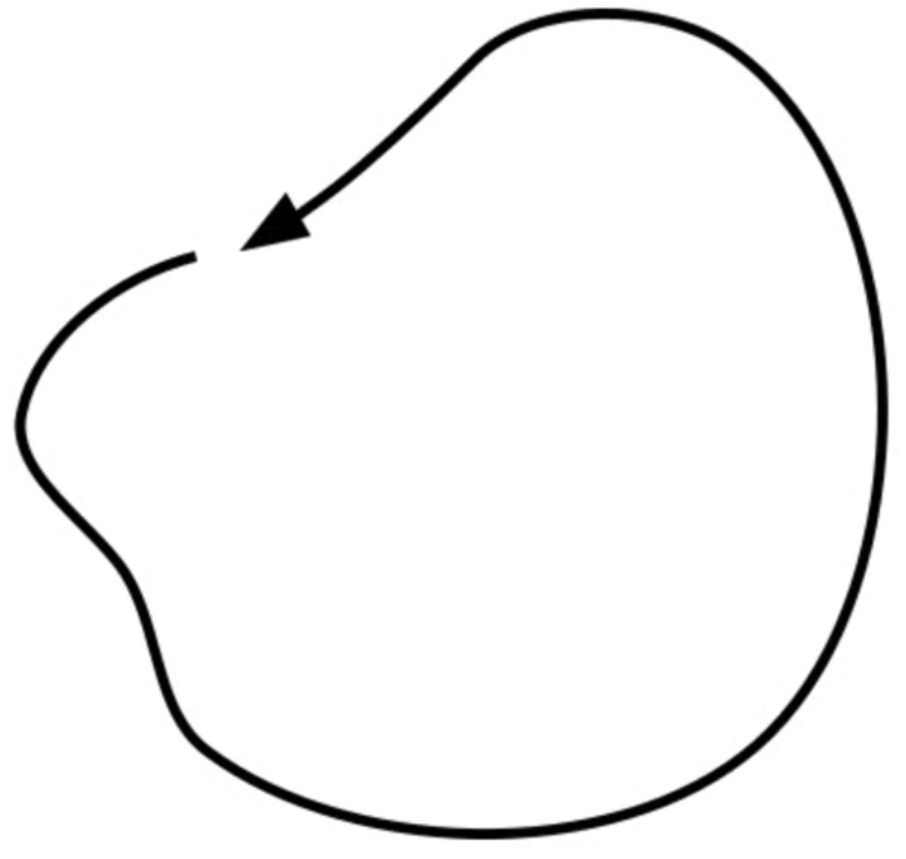
Boundary Run
Warm up: run the boundary together.
core
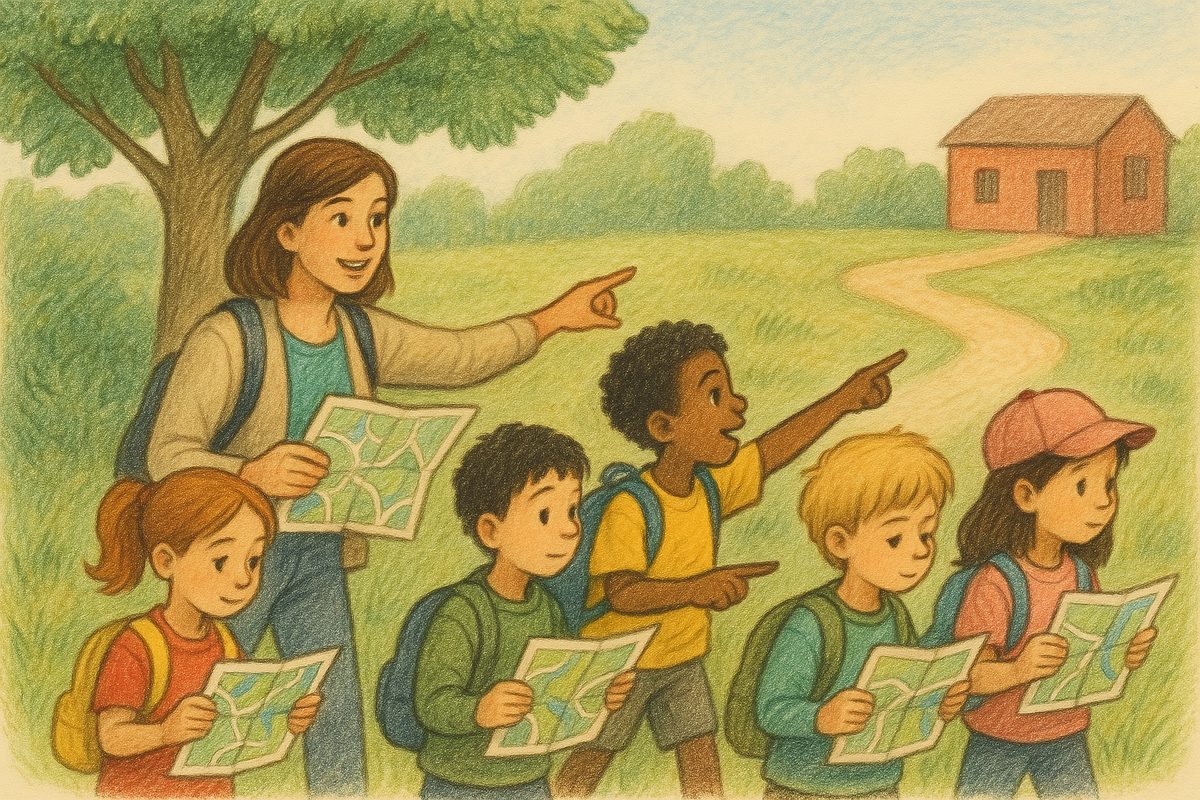
Map Walk
Walk a route together, matching map symbols to real features.
core
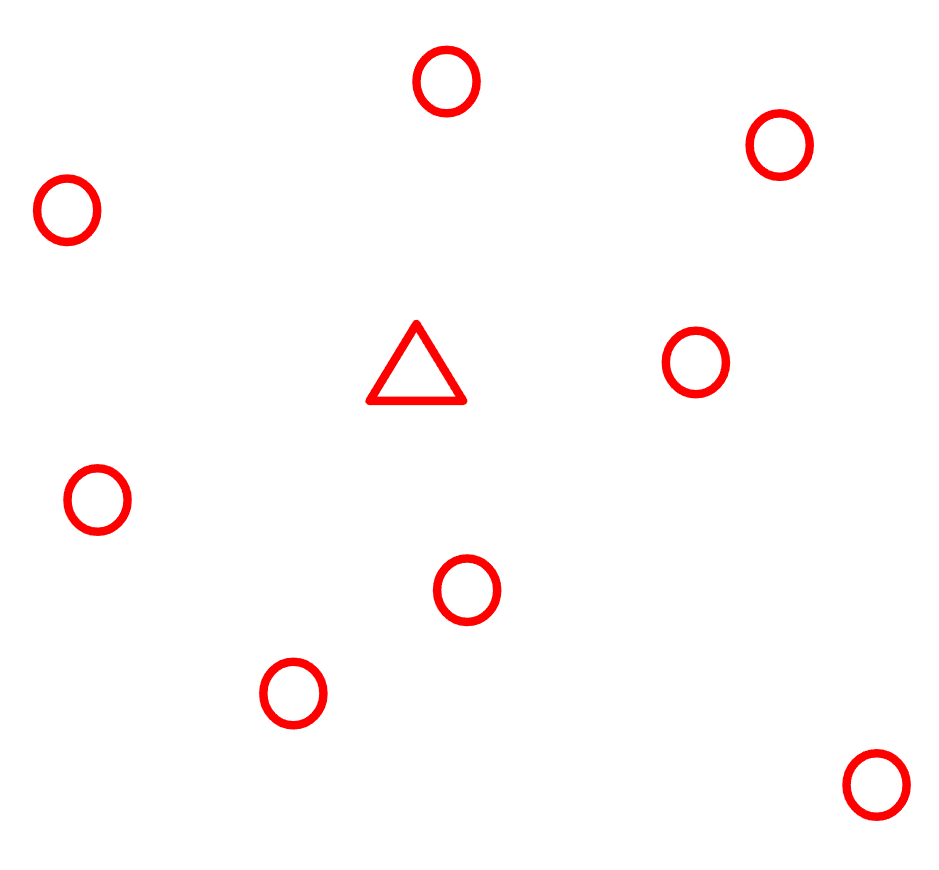
Score-O
Visit as many checkpoints as possible in any order.
extension
Poison-O
Score-O where wrong checkpoints lose points.
extension
Poker-O
Collect poker hands at checkpoints.
Goals
Orienteering Goals
- Understand what an orienteering map is and how it differs from a pattern map
- Learn map symbols and match them to real features
- Walk a route while reading the map
- Make route choices based on the map
- Visit as many checkpoints as possible within a time limit
PE Standards (SHAPE America)
Standard 2: Movement & Fitness Concepts
- Applies movement concepts and strategies for safe movement within dynamic environments (2.5.1). Students orient maps and use features to navigate between checkpoints during Map Walk and Score-O.
- Demonstrates problem-solving strategies in a variety of games/activities (2.5.5). Students plan which checkpoints to visit and in what order to maximize their score during Score-O.
Standard 3: Social Skills
- Uses communication skills to negotiate roles and responsibilities in a physical activity setting (3.5.2). Partners discuss strategy and negotiate which checkpoints to visit during Score-O.
- Demonstrates safe behaviors independently with limited reminders (3.5.4). Students navigate independently within the boundary during Score-O, returning on the signal without reminders.
- Solves problems independently, with partners, and in small groups (3.5.5). Pairs plan routes and adjust strategy between rounds to improve their score.
Standard 4: Personal Skills
- Explains the rationale for one's choices related to physical activity based on personal interests (4.5.4). Students choose which checkpoints to visit based on their route strategy and discuss their reasoning.
- Reflects on movement experiences to develop understanding of how movement is personally meaningful (4.5.10). Students compare first and second rounds and reflect on what strategies improved their navigation.
See PE Standards alignment for the full framework.
Delivery
- Boundary Run: run the boundary
- Map Discussion: introduce the orienteering map
- Compare it to the pattern maps from Lesson 3
- Orient the map using real features
- Point out symbols and what they represent
- Map Walk: walk a route as a group, matching symbols to real features
- Score-O: each student or pair gets a map with checkpoint circles; visit as many as you can in the time limit, in any order
- Repeat: try to beat your score
Reflection
- How is the orienteering map different from the pattern maps we used before?
- Which symbols were easier or harder to remember? Why?
- What strategy did you use to visit the most checkpoints?
- How did you decide which checkpoint to go to next?
- What shortcuts between checkpoints did you find?
Extensions
- Poison-O: wrong checkpoints cost points; rewards careful map reading
- Poker-O: each checkpoint has a playing card; collect the best poker hand
- Challenge students to complete three checkpoints from memory