Lesson 6: Orienteering Course
"Follow the map from start to finish"
| Time | 30-60 minutes |
| Space | Schoolyard or local park (needs real features for map symbols) |
| Materials | Orienteering maps, Checkpoint markers (cones or flags), All-checkpoints map, Scorecards and pencils, Map legend (poster or handout), 2 sets of symbol cards (one per team), 2 sets of text cards (one per team) |
| Setup | Place checkpoints according to the all-checkpoints map |
| Vocabulary | Route choice, Orient the map, Symbol, Feature |
Activities
warm-up
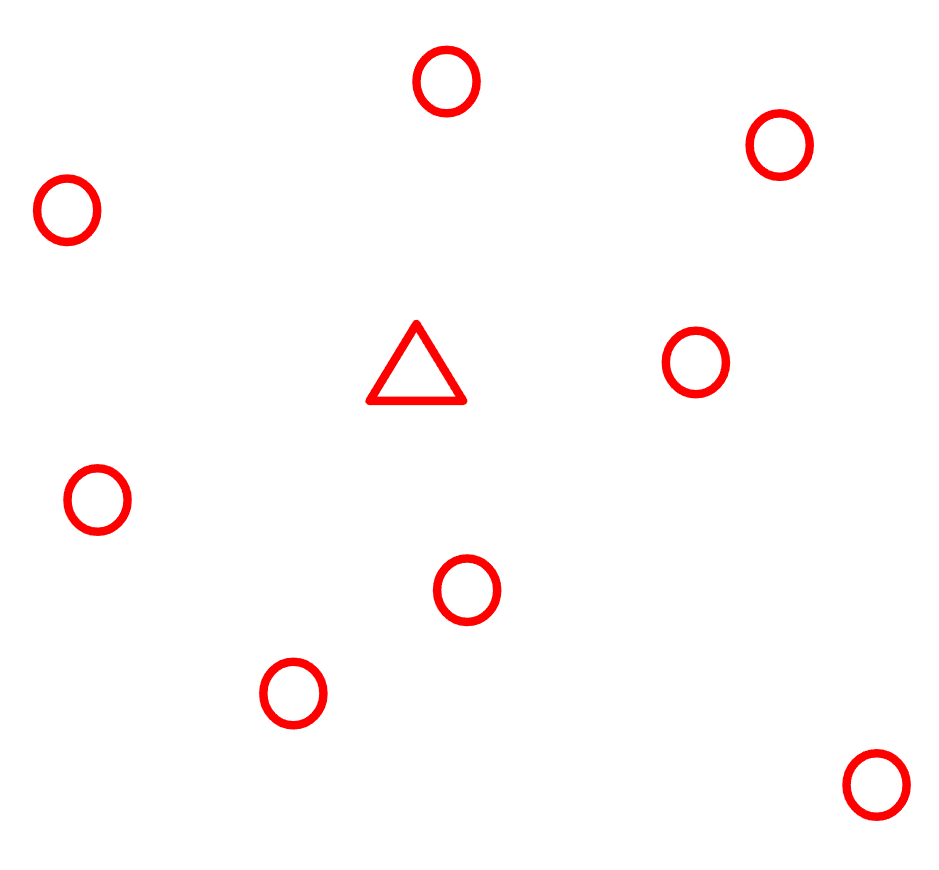
Score-O
Warm up: quick Score-O round to review map skills.
core
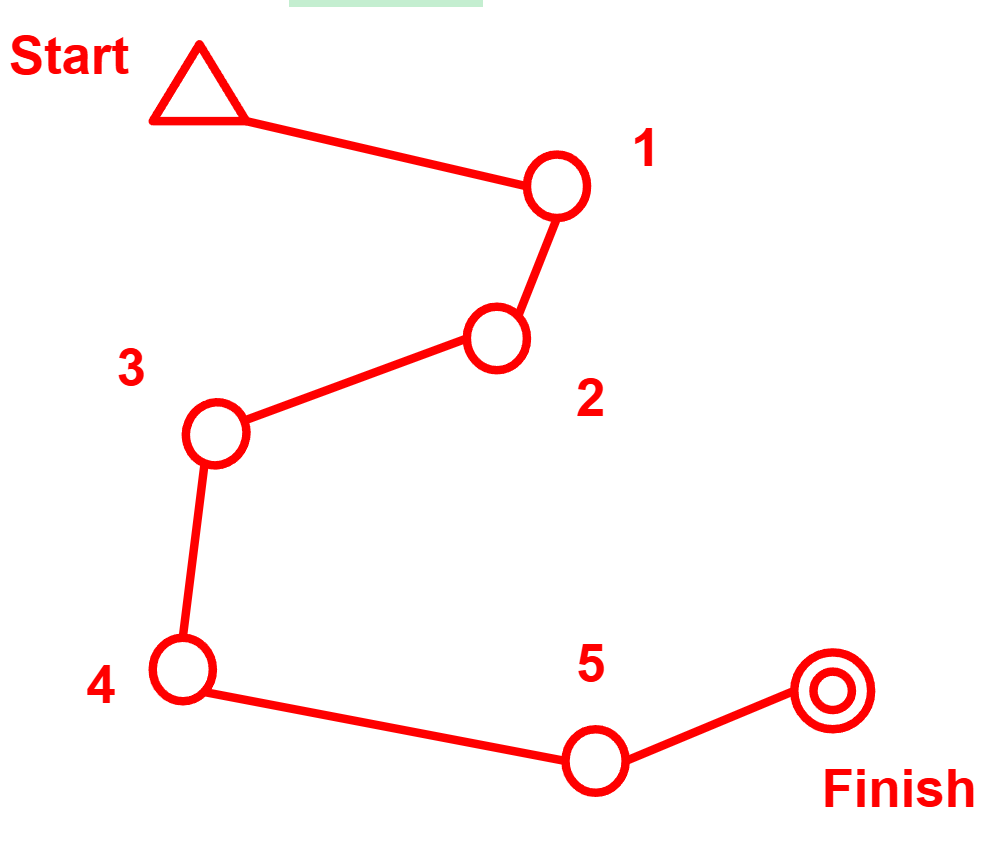
Point-to-Point
Complete a course visiting checkpoints in order using a map.
extension
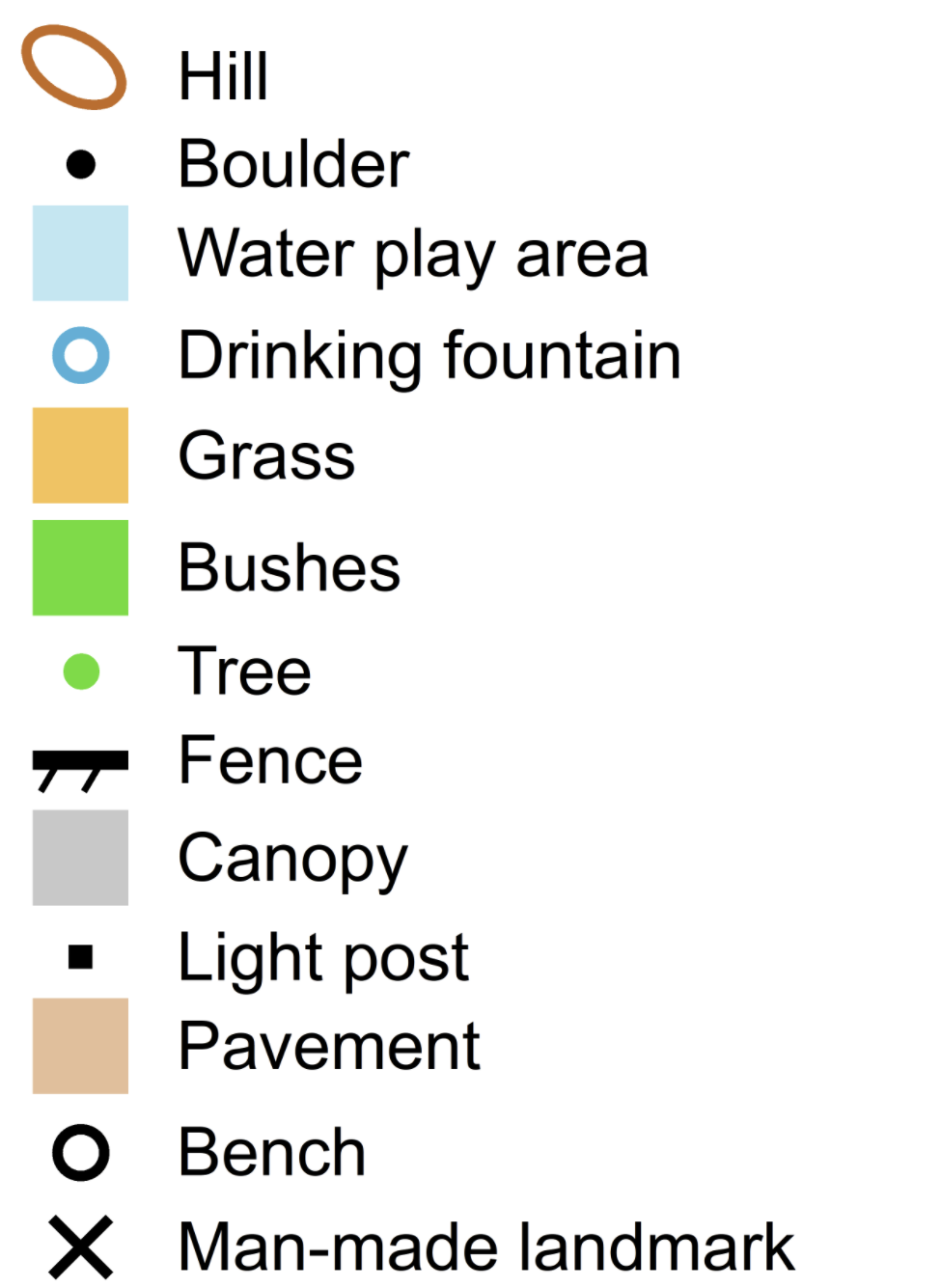
Symbol Relay
Team relay to learn map symbols competitively.
Goals
Orienteering Goals
- Navigate a course visiting checkpoints in a specific order
- Make route choices between checkpoints
- Track your position on the map as you move
- Complete courses with increasing independence
PE Standards (SHAPE America)
Standard 1: Motor Skills
- Combines varied locomotor skills in a variety of practice tasks (1.5.1). Students run, walk, and change pace as they navigate point-to-point courses through varied terrain.
Standard 2: Movement & Fitness Concepts
- Applies movement concepts and strategies for safe movement within dynamic environments (2.5.1). Students plan routes between checkpoints using map features as guides.
- Demonstrates problem-solving strategies in a variety of games/activities (2.5.5). Students choose routes between checkpoints and adjust when they realize a route isn't working.
Standard 3: Social Skills
- Demonstrates safe behaviors independently with limited reminders (3.5.4). Students navigate solo courses independently, staying within bounds and self-checking at each checkpoint.
- Solves problems independently, with partners, and in small groups (3.5.5). Partners plan routes together during pair courses, then transition to solving navigation problems solo.
Standard 4: Personal Skills
- Explains the rationale for one's choices related to physical activity based on personal interests (4.5.4). Students explain their route choices and compare approaches with classmates after completing courses.
- Identifies movement strengths and opportunities for practice for individual improvement (4.5.7). Students choose between easy and harder courses based on their developing navigation skills.
See PE Standards alignment for the full framework.
Delivery
- Score-O: quick warm-up round
- Point-to-Point: follow a course from start to finish, visiting checkpoints in order
- Start with a short course (3-4 checkpoints)
- Advance to longer courses
- Partner Orienteering: plan and execute a full course together
- Solo Orienteering: do a course on your own. Self-check at every checkpoint: read the code and confirm it matches before moving on. 🧭 Checking
Reflection
- How did you decide which way to go between checkpoints?
- Was it harder to navigate in order than in any order (Score-O)?
- What did you do when you got lost or confused?
- How did working with a partner help? What was different about going solo?
Extensions
- Symbol Relay: team competition to learn map symbols
- Place Your Own Checkpoints: students place markers using the map, then others find them
- Relay race: teams take turns completing the course
- Challenge students to complete a course from memory
- Time students on the same course and track improvement