Lesson B: Indoor Orienteering
"A gym full of mats and ropes can become a whole new place"
| Time | 30-45 minutes |
| Space | Gym or other large indoor room |
| Materials | Cones (optional, for marking boundaries), Gym mats, tables, chairs, jump ropes, or other equipment on hand, Checkpoints, Clue sheets or blank cards (for recording courses), Paper and pencils (for map making) |
| Setup | Clear the gym; gather mats, ropes, tables, and chairs to build obstacles before class |
| Vocabulary | Obstacle, Boundary, Checkpoint |
Activities
warm-up
Boundary Run
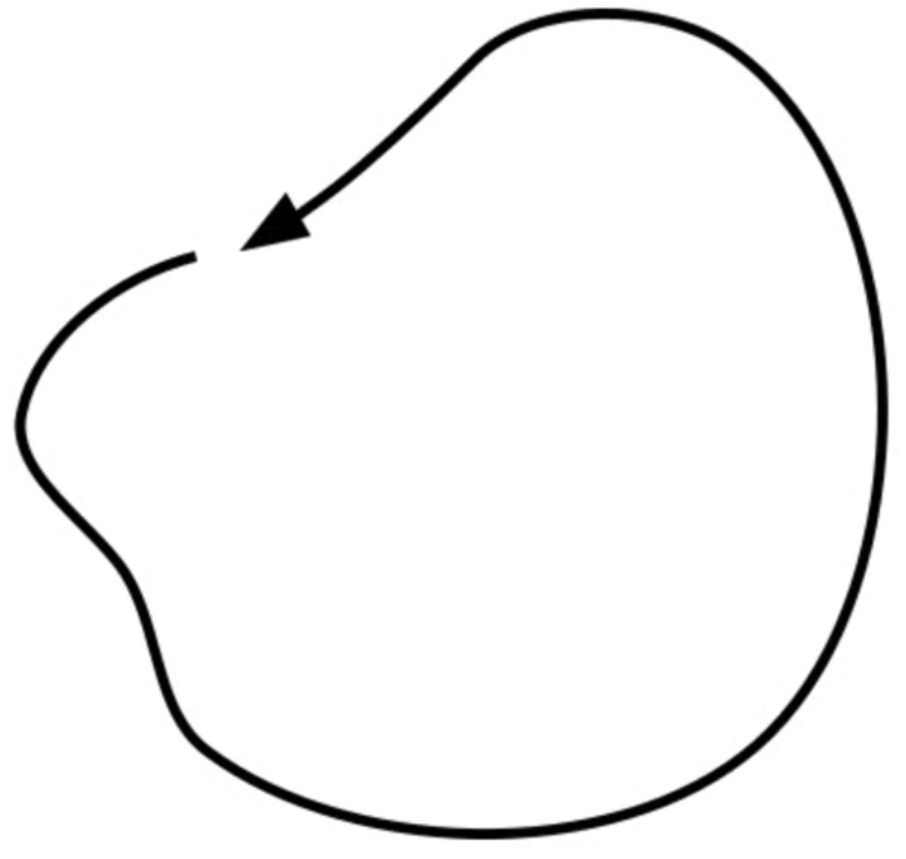
Warm up: run the boundary of the gym.
core
Build the World
Explore the world the teacher built; learn what's passable and what's off-limits.
Goals
Orienteering Goals
- Explore an unfamiliar world built inside the gym
- Learn and follow the rules of what is passable and what is off-limits
- Use spatial words to describe obstacles (over, around, between, behind)
- Find checkpoints in order using a clue sheet, moving carefully around obstacles
PE Standards (SHAPE America)
Standard 1: Motor Skills
- Demonstrates a variety of locomotor skills with the concepts of space, effort, and relationship awareness (1.2.1). Students move around, over, and between obstacles while exploring the built world.
Standard 2: Movement & Fitness Concepts
- Recognizes personal space and where to move in general space (2.2.1). Students navigate around walls, rivers, and other built obstacles without colliding with them or each other.
- Identifies movement concepts for locomotor and non-locomotor skills (2.2.3). Students describe obstacles using spatial words like over, around, and between.
Standard 3: Social Skills
- Communicates to share space and equipment (3.2.3). Students share the space respectfully while exploring the built world together.
- Describes why following rules are important for safety and fairness (3.2.6). Students discuss why the world's rules, like what's off-limits, matter for safety.
Standard 4: Personal Skills
- Recognizes individual challenges through movement (4.2.5). Students navigate an unfamiliar world with obstacles they haven't seen before.
See PE Standards alignment for the full framework.
Delivery
- Boundary Run: quick review of the boundary of the gym
- Build the World: while students watch (or help carry pieces), build obstacles using mats, ropes, tables, and chairs. Mats become walls, ropes become rivers
- Explain the rules: "This mat is a wall, you cannot go through it. This rope is a river, go around it." Ask a few students to point to something they cannot cross
- Explore the world together as a class first, so everyone knows what's there before playing
- Hand out clue sheets with animal checkpoints placed within the world. Find each animal in order, moving carefully around the obstacles
- Repeat with a new clue sheet, or move a few obstacles and try again
Reflection
- What did we use for a wall? For a river? Why did that make sense?
- What happened when you got to an obstacle? What did you do?
- How is moving through this world different from moving through the gym with nothing in it?
- What rule was hardest to remember?
Extensions
- Let a few students help decide where the next obstacle goes
- Add a "door," a gap in a wall that only some routes can use
- Change the rule for one obstacle (a river you can jump over instead of going around) and see what changes