Lesson 1: Safety and Space
"In orienteering, you go out and you come back"
| Time | 30-45 minutes |
| Space | Gym, schoolyard, or local park |
| Materials | Cones (optional, for marking boundaries), Whistle or flag, Cone or marker for the Start |
| Setup | Walk the space and identify the boundary; place cones if edges are unclear; place a Start marker |
| Vocabulary | Boundary, Start, Gathering signal |
Activities
core
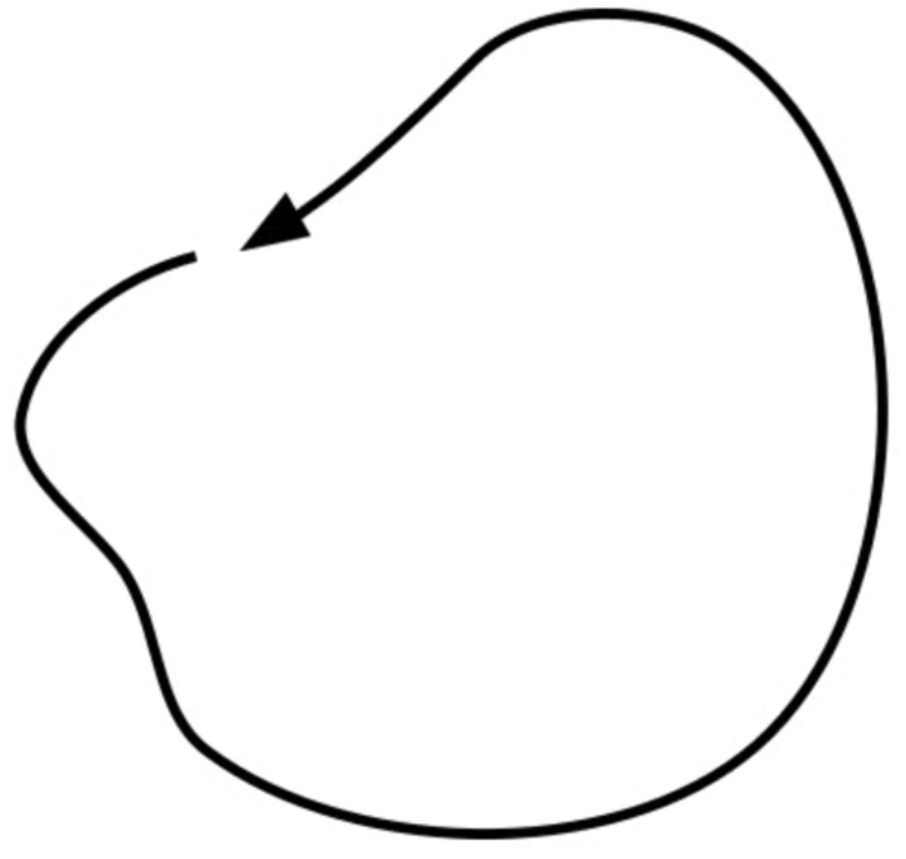
Boundary Run
Walk and then run the boundary together.
core
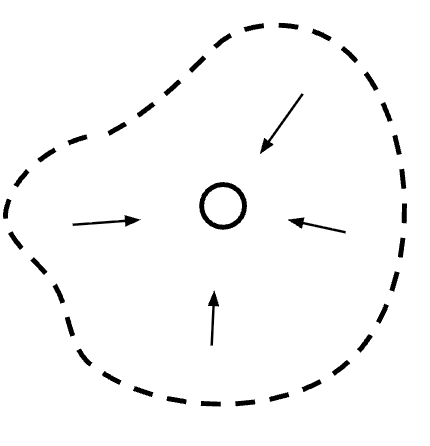
Gathering
Move freely; return to the Start on the teacher's signal.
Goals
Orienteering Goals
- Identify the boundary of the play area
- Tell whether landmarks and locations are inside or outside the boundary
- Know where the Start is from anywhere in the boundary
- Respond quickly to the gathering signal
- Explain why boundaries matter for safety
PE Standards (SHAPE America)
Standard 1: Motor Skills
- Demonstrates a variety of locomotor skills with the concepts of space, effort, and relationship awareness (1.2.1). Students walk, jog, skip, and gallop along the boundary during Boundary Run and Follow the Leader.
Standard 2: Movement & Fitness Concepts
- Recognizes personal space and where to move in general space (2.2.1). Students navigate the shared space during Gathering, avoiding collisions while returning to the Start.
Standard 3: Social Skills
- Responds appropriately to directions and feedback from the teacher (3.2.4). Students listen for and respond to the gathering signal.
- Describes why following rules are important for safety and fairness (3.2.6). Students discuss why boundaries matter and why off-limits areas should be respected.
- Makes safe choices with physical education equipment (3.2.7). Students move safely around cones and markers during boundary activities.
See PE Standards alignment for the full framework.
Delivery
- Boundary Run: walk the boundary together as a class. Point out landmarks along the way: "This is the fence. This is the big tree. This is the sidewalk."
- Follow the Leader. Travel the boundary in the opposite direction with different movements: skipping, galloping, tiptoe, giant steps. Teacher leads; students copy.
- Quiz: name a landmark and ask "inside or outside?" ("The playground?" "The parking lot?")
- Talk about off-limits areas within the boundary (gardens, parking lots, puddles).
- Set up the Start with a flag or cone. Students walk to different spots. "Can you point to the Start from where you are?"
- Gathering: students move freely within the boundary. On the signal, everyone returns to the Start. Count together: how many seconds did it take?
- Repeat the gathering. Can we beat our time? Spread out a little further each round.
Reflection
- What does boundary mean? What are some things that mark boundaries? (Fences, curbs, signs)
- How can crossing a boundary be dangerous?
- How did you know where the Start was from far away?
- Was it harder to come back from far away? What helped?
Extensions
- Shrinking Boundary Tag: play tag while the boundary gets smaller; anyone outside the new boundary is frozen
- Use a different gathering signal (wave a flag, clap a pattern)
- Move the Start to a new location; can you still find it?